Save up to 20% today!
Understanding Intralesional Steroid Therapy for Alopecia Areata
Dr. Tanveer Ahmed
3/24/2026
What is Intralesional Steroid Therapy?
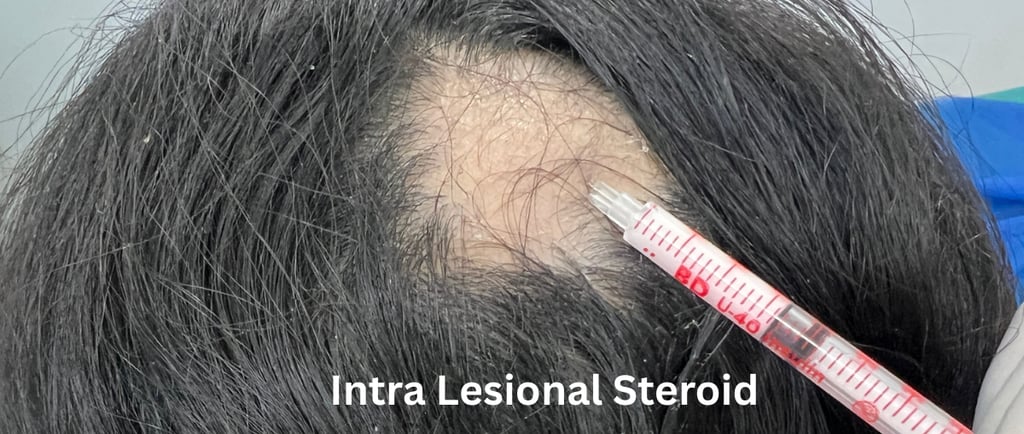
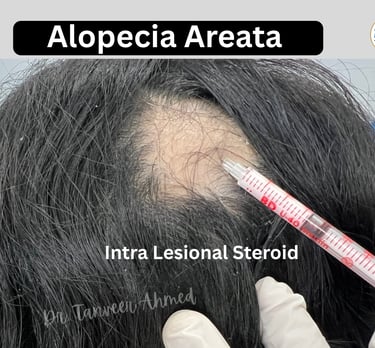
Intralesional steroid therapy is a treatment option for various dermatological conditions, including alopecia areata. This condition is characterized by sudden hair loss in patches on the scalp and other areas of the body. Intralesional injections deliver corticosteroids directly into the affected areas, promoting hair regrowth and reducing inflammation.
Benefits of Intralesional Steroid Therapy for Alopecia Areata
This treatment offers several benefits for those suffering from alopecia areata. Firstly, intralesional steroid injections can lead to quick improvement in hair regrowth, often noticeable within a few weeks. The localized application of steroids allows for a higher concentration of medication to penetrate the target area while minimizing systemic side effects.
Additionally, intralesional steroid therapy helps to alleviate the inflammation that contributes to hair loss. By targeting the autoimmune response that triggers alopecia areata, patients often experience a more effective resolution of their symptoms. Many clinicians find this treatment preferable to oral steroids due to the reduced risk of complications associated with systemic steroid use.
Expected Results and Considerations
Results from intralesional steroid therapy may vary among individuals, with some seeing significant regrowth in the affected areas, while others might have a slower response. Typically, multiple injections may be needed, spaced a few weeks apart, to achieve the desired outcomes.
While intralesional steroid therapy is generally considered safe, potential side effects can include skin atrophy, hypopigmentation, and local discomfort. It's essential for patients to discuss these risks with their dermatologists before commencing treatment to make an informed decision.
In conclusion, intralesional steroid therapy is a promising option for individuals dealing with alopecia areata. Its ability to directly administer treatment into affected areas presents a unique alternative to traditional management approaches, allowing many to reclaim their hair and boost their confidence in the process.